Greenland Science Week Conference (part 2)
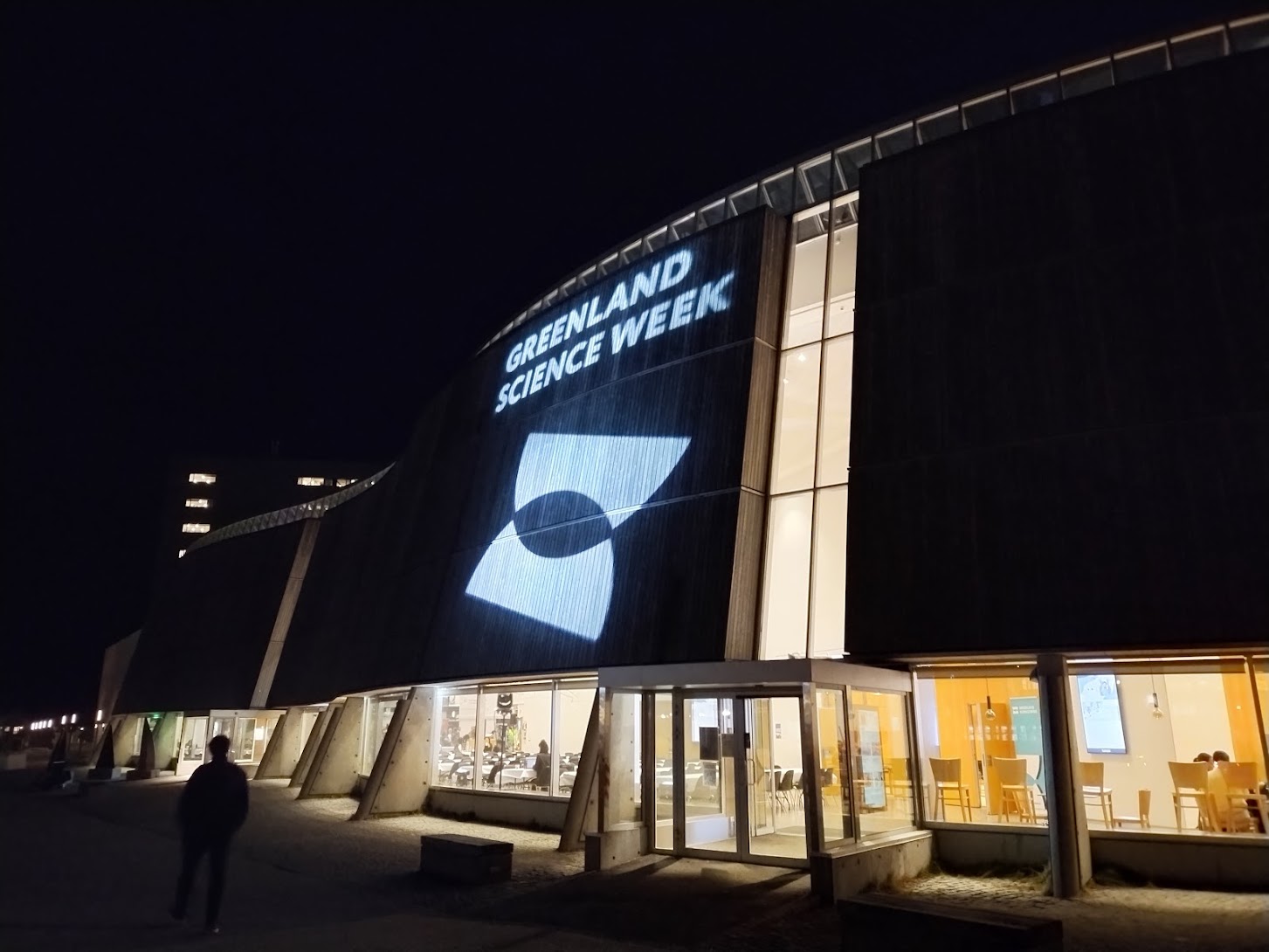
Today was the final day of the Greenland Science Week conference. Much like yesterday, the day was filled with prepared talks and discussion among participants.
The science talks were fantastic, but I think some of my favorite topics presented today were about the impacts of Danish colonalism on Greenlandic society and language. It was a sobering counterpart to the “hard” science being presented in most talks. An underlying theme of today was that science itself is not immune or above social and political forces - it is situated within the context of the place and time it takes place, and has a responsibility to act accordingly. We were asked to reflect on past mistakes and urged not to repeat them. Science in Greenland should benefit Greenland. It should not be a merely extractive exercise, but instead a collaborative enterprise that acknowledges and uplifts indigenous knowledge and builds capacity for science within Greenland.
A common phrase used to describe extractive science in Greenland is “helicopter research”. This refers to scientists who fly in, collect data, and then fly out with their data. The results and benefit of this kind of work rarely returns to Greenland. This type of science has, thankfully, declined in prevelance as a result of intentional policymaking and advocacy on the part of Greenlanders and those who are passionate about Greenland and its culture.
One speaker today suggested we imagine a world in which Greenland could become a sort of “Alexandria” of climate science. Would it not be better if Greenland had the scientific capacity - the facilitites, equipment, and resources - to conduct the science so many of us are interested in? Instead of extracting an ice core in Greenland only to have it shipped halfway around the world to a state-of-the-art facility in e.g., Tokyo that can analyze its contents, it would be better if the ice core could stay within Greenland, and the world’s experts would congregate here for the most cutting edge science. Imagine the collaborations that could happen! I have no doubt this would be a boon for the scientific community. It is a vision I hope we can work to achieve.
In addition to the talks others gave today, my team also presented our work! We had two talks, and both went well. We received questions and additional attention that I hope will result in new collaborations and valuable feedback.
Even though the conference is now over, Greenland Science Week is not! Tomorrow will wrap up the week with a public-facing event meant to spread knowledge about the research being done in Greenland to those who live here. It provides an opportunity for the public to ask questions and engage with scientists directly. I look forward to it!